Table of Content
In most cases, 5.1 systems make more sense for an average home theater owner. Therefore, when you run into specific issues and roadblocks, you’ll be able to find any instructions and answers more easily online. 5.1 home theater systems have a couple of upsides and downsides, depending on the position you’re looking from.

Those in the know suggest that for each row of seats in a home movie theater, there should be 2 subwoofers. Keep your furniture centralized, don't give the sound from your speakers a hard surface to bounce off. If you're at the stage where you're choosing equipment, then you should have already taken care of the soundproofing element. It serves not just to stop people outside of the room overhearing, but also to keep all of the good sound sealed inside for the pleasure of the listeners. Some media sources are designed specifically for 7.1 channel use.
Pros and cons of a 7.1 channel system
For starters, the way you connect these speakers to your TV, home theater, or gaming system is different. Just like with any technology, certain requirements must be met for everything to work as intended. A 5.1 speaker system has 5 loudspeakers and a single subwoofer. On the other hand, a 7.1 speaker system has 7 loudspeakers and one subwoofer. It’s the two additional loudspeakers in a 7.1 that make the whole difference. But despite the number of loudspeakers, there is more to each system than meets the eye.

If your room is less than 350 square feet then you should be looking into buying a smaller speaker like the 5.1 surround system. Teufel’s LT 5 uses a Dolby Atmos receiver to produce the Dolby Atmos effect. The sound can be described as dynamic and rich all while maintaining high-quality. The 7.1 sound system fits a large room perfectly, due to increased sound depth. The downside to using this is they’re more expensive to troubleshoot and set up.
Dolby Atmos and 3D Sound
Usually, they come in a single package, meaning you get a home theater in a box system. To put it simply, the difference between the 5.1 and 7.1 home theater systems is pretty apparent. My name is Samun and I’ve been a theater buff since I was a toddler. I remember seeing my first movie at the local movie theater and being enthralled with the entire experience. In order to create the best home theater experience, you must consider every aspect of the room.
The other side of the triangle will be the line behind which you will place your center channel speaker. The line from the center channel to the main listening position will divide the triangle into two right-angled triangles. The only possible application that I can see for 3-D audio is to get 3 channels of audio playing out of one speaker. While this is more likely to happen in the future, I think it’s still far away and I don’t think 3D audio makes the most of your existing home theater speakers. I’d be more excited about 8K resolution or wireless surround sound.
How AV Receivers Can Enhance Your Viewing and Listening Experience
The bass speaker doesn’t handle high frequencies and the smaller speakers handle the mid and high range. Although there are some 2.0 systems that include speakers only, they are becoming more and more common. Similarly, if you’re buying a 5.1 system now but might upgrade in the future, then consider buying a receiver with 7 channels so it’ll be an easy jump. Not all receivers come with 7 speaker channels, so check this before buying.
Of course, you get what you pay for, so these systems may not be sufficient for your needs. Top of the line 5.1 sound systems from a top of the line brand like Klipsch can run you over $6,000. This system will promise high definition, theater-quality sound and come with the receiver included.
What’s Your Budget?
On the other hand, 5.1 systems are quite common, and pretty much every streaming service, DVD, blu-ray, and gaming console supports this format. That’s why it’s more affordable to invest in a good 5.1 gaming system instead of purchasing extra stuff just to get two more audio channels. As for the audio standards, the 5.1 systems use Dolby Digital and DTS for audio reproduction. Dolby’s format is the more popular of the two, despite DTS offering better audio quality and less compression. On the 7.1 front, the most common standards are Dolby True HD, Dolby Digital Plus, and DTS-HD Master audio. In a 5.1 setup, the remaining two speakers should be slightly behind the line where you’ll be sitting, at a 110-degree angle each.
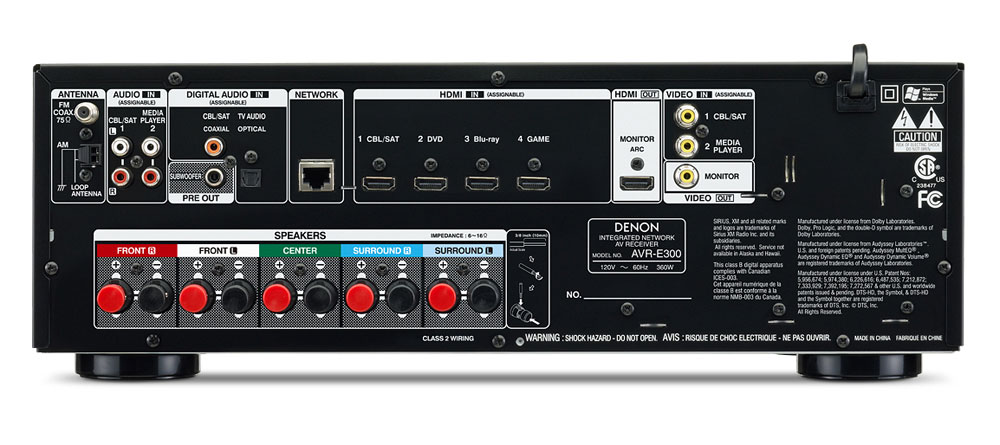
Simply put, a 7.1 surround is a 5.1 surround speaker set up with 2 extra speakers for the rear surround. The 7.1 channel surround sound system is the most commonly used surround sound system on the market. It uses seven speakers – two front, two center, two surround, and one subwoofer – and a dedicated processor. Many mid-range and high-end home theater receiver systems contain a 7.1 surround sound channel configuration.
A 5.1 channel surround sound system has five channels of sound including left, right, surround, front center, and subwoofer. The fifth channel, the subwoofer, usually reproduces deep bass sounds. However, it’s not the only system that offers a full surround sound experience. Depending on the quality of the speakers that make up the 2.1 surround sound system, you might not notice a significant difference. A 2.1 channel system will arguably offer the worst audio quality, simply because it isn’t surround sound. 7.1 channel systems, however, can be that much more difficult to install, but this will depend on where you position the extra speakers.
We have already looked at how you can best place monopole surround speakers for the best surround sound. You can also “toe-in” the speakers to point to the listening position. Toe-in is where the speakers are angled inwards pointing towards the listener but the toe-in should be identical for both speakers for a great soundstage.
They cost more to manufacture with the additional drivers, cabinets, and circuits. Always look at the kind of receiver you have before making a purchase. If you have a 7.1 channel receiver, you’re safe in the sense that it can support both 5.1 and 7.1 systems.


No comments:
Post a Comment